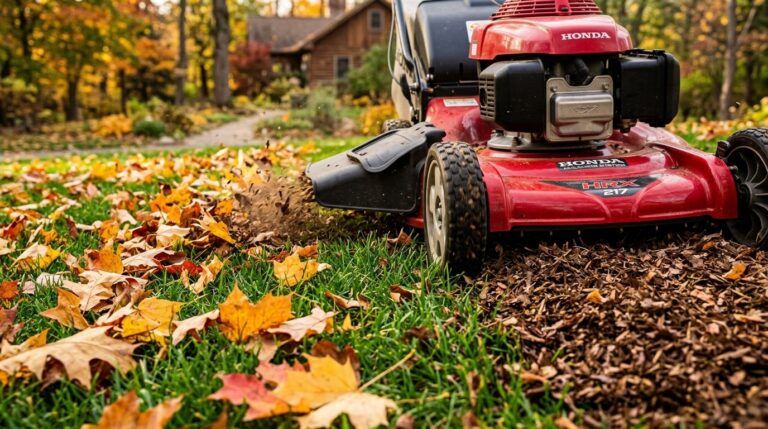
Peak-Shaving Home Battery Stations: Charging Yard Tools on Off-Peak Grid Tariffs
How suburban homeowners exploit Time-of-Use (TOU) utility rates by storing cheap overnight grid power to recharge high-draw garden equipment.
📢 Industry Intelligence
Latest updates on robotic lawn technology, smart watering systems, indoor agricultural breakthroughs, and horticultural science.
How suburban homeowners exploit Time-of-Use (TOU) utility rates by storing cheap overnight grid power to recharge high-draw garden equipment.
Combining compact wind turbines with bifacial solar panels provides continuous year-round power for automated perimeter gates, lights, and water pumps.
Calculating thermal wattage, circulation fan loads, and battery storage capacity to protect delicate winter greenhouse crops during freezing nights.
Homeowners are constructing standalone solar-powered shed charging stations to run 40V/60V lawn tool chargers and robotic mower docks 100% off-grid.
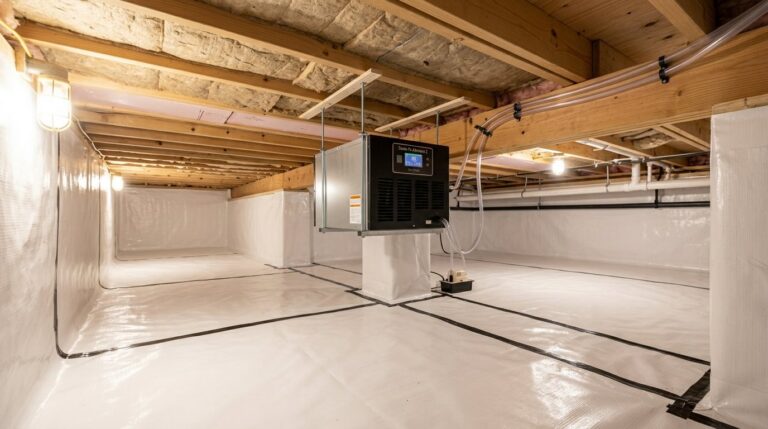
International Residential Code (IRC R408.3) compliance guidelines for unvented crawl space encapsulation and mechanical moisture extraction.
Managing Vapor Pressure Deficit (VPD) and nighttime transpiration spikes to prevent fungal bud mold during peak agricultural flowering phases.
Engineering field comparison of gravity drainage lines versus internal automatic condensate pumps in sub-grade crawl spaces and basements.
Hydrostatic pressure and spring snowmelt drive subfloor moisture migration, making continuous mechanical dehumidification essential for structural integrity.
New AHAM testing criteria and Energy Star efficiency standards mandate higher COP ratings and lower electrical draw in subterranean dehumidification units.
University turfgrass studies prove daily fractional mowing recycles 25% of synthetic nitrogen requirements while eliminating thatch accumulation.